

Dr. Suhaimi Bin Osman
MB, BCH, BAO (UK), MRCP (Ireland), AM (Malaysia)
Consultant Internal Medicine - Cardiology
Pacemaker & ICD Implants
When the heart’s rhythm becomes irregular or dangerously slow, advanced solutions like pacemaker implants and implantable cardioverter defibrillators (ICD) can restore stability and save lives. Dr. Suhaimi Bin Osman, an experienced Consultant Interventional Cardiologist in Malaysia, specializes in safe, minimally invasive pacemaker and ICD procedures to ensure long-term heart health.
Overview
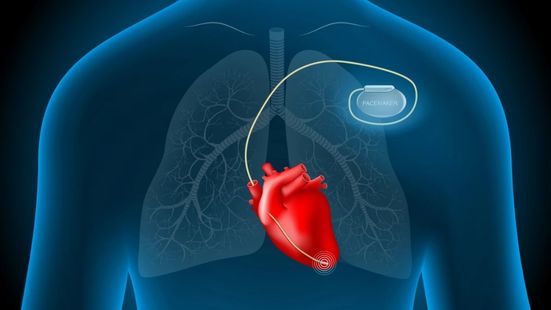
Abnormal heart rhythms, known as arrhythmias, can lead to dizziness, fainting, palpitations, or even life-threatening cardiac arrest. Pacemakers and ICDs are small, implanted devices that help regulate and protect your heart’s rhythm.
With years of expertise and international fellowships, Dr. Suhaimi provides patients with cutting-edge device therapy, ensuring safety, faster recovery, and improved quality of life.
Why Choose Dr. Suhaimi for Pacemaker & ICD Implants
Trusted Pacemaker & ICD Specialist in Malaysia for Advanced Arrhythmia Treatment. Your heart rhythm deserves the highest level of care.
Highly Qualified Expert
MB BCh BAO (UK), MRCP (Ireland), AM (Malaysia) with extensive interventional cardiology experience.
Internationally Trained & Certified
Fellowships from Society of Coronary Angiography & Interventions (USA) and Asia Pacific Society of Interventional Cardiology (HK).
Advanced Technology & Safety
State-of-the-art devices and techniques for safer implantation and reliable long-term results.
Dedicated Post-Implant Care
Personalized monitoring, adjustments, and lifestyle counseling for patients with pacemakers or ICDs.
Our Pacemaker & ICD Implant Services
1. Pacemaker Implantation
- Treats slow or irregular heartbeats (bradycardia)
- Sends gentle electrical signals to keep the heart beating normally
- Ensures consistent heart rhythm for better daily functioning
2. Implantable Cardioverter Defibrillator (ICD)
- Prevents sudden cardiac arrest in high-risk patients
- Detects dangerous arrhythmias and delivers a corrective shock
- Offers peace of mind for patients with severe heart conditions
3. Biventricular Pacemakers (Cardiac Resynchronization Therapy – CRT)
- Designed for patients with heart failure and poor heart pumping function
- Improves coordination of heart chambers
- Enhances exercise capacity and quality of life
4. Device Monitoring & Follow-up Care
- Regular device checks and adjustments for optimal performance
- Long-term monitoring for battery life and rhythm stability
- Education on living safely with a pacemaker or ICD
When Do You Need a Pacemaker or ICD?
You may be a candidate for device implantation if you experience:
- Persistent slow heartbeat (bradycardia)
- Fainting, dizziness, or fatigue due to arrhythmias
- Heart failure symptoms with weak pumping function
- High risk of sudden cardiac arrest
- History of ventricular tachycardia or fibrillation
Benefits of Pacemaker & ICD Implants
- Restores and regulates normal heart rhythm
- Prevents life-threatening arrhythmias and sudden cardiac arrest
- Improves energy, stamina, and quality of life
- Allows patients to safely return to daily activities
- Provides long-term monitoring and reassurance
Our Approach to Device Therapy
Dr. Suhaimi ensures:
- Accurate diagnosis using ECG, Holter, and cardiac imagingMinimally invasive implantation procedures with advanced technology
- Comprehensive follow-up care for device monitoring and patient safety
- Holistic patient support to ensure smooth adjustment post-implant
Klinik Mesra, Mergong, Alor Setar
Your Trusted Medical Clinic for Families, Women, Children & Companies in Kedah
About DoctorDr. Suhaimi – Dedicated to Your Heart Health
Make An Appointment
Consultation Hours
Reach Out Anytime for Assistance.
- Monday to Sunday 8:00 AM – 11:00 PM

 View All Review
A pacemaker regulates slow heart rhythms, while an ICD prevents sudden cardiac arrest by delivering corrective shocks.
It is a minimally invasive procedure, usually done under local anesthesia. Most patients return home within a day.
Typically 5–10 years, depending on device type and usage. Regular follow-ups ensure timely replacement.
Yes. Most patients return to normal activities with minor precautions around strong magnets or electronic devices.
Risks are low, but may include infection, bleeding, or lead displacement, all minimized with expert care.
Usually every 3–6 months, or as advised by your cardiologist.
Yes. ICDs are highly effective in detecting and correcting life-threatening arrhythmias instantly.