

Dr. Suhaimi Bin Osman
MB, BCH, BAO (UK), MRCP (Ireland), AM (Malaysia)
Consultant Internal Medicine - Cardiology
Long-Term Cardiac Care (Follow-ups, Rehabilitation & Lifestyle Counseling)
Heart health doesn’t end after treatment. Proper long-term cardiac care, follow-up consultations, rehabilitation programs, and lifestyle counseling are essential to prevent relapse, reduce complications, and ensure a healthier future. Dr. Suhaimi Bin Osman provides dedicated continuity of care for heart patients in Malaysia, focusing on recovery, prevention, and quality of life.
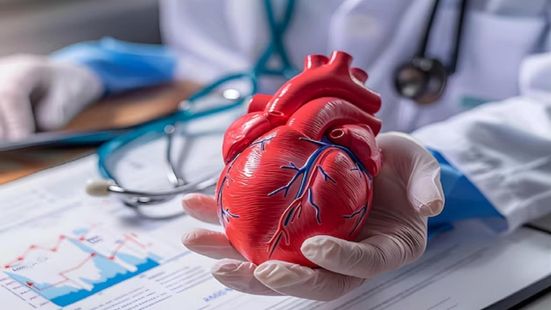
Overview
Recovering from a heart condition or procedure is just the beginning of your health journey. Many patients require consistent monitoring, rehabilitation, and lifestyle modifications to stay healthy and prevent repeat cardiovascular events.
Dr. Suhaimi emphasizes a holistic, patient-first approach that combines regular follow-up visits, evidence-based rehabilitation, and practical lifestyle strategies to help patients regain confidence and live healthier lives.
Why Choose Dr. Suhaimi for Long-Term Cardiac Care
Trusted Long-Term Cardiac Care in Malaysia with Personalized Follow-Ups & Rehabilitation
Highly Qualified Expertise
MB BCh BAO (UK), MRCP (Ireland), AM (Malaysia) – with vast experience in interventional cardiology and post-cardiac care.
Holistic Recovery Approach
Specialist follow-ups, cardiac rehabilitation programs, and lifestyle modifications tailored to each patient’s needs.
Advanced Monitoring & Prevention
Cutting-edge diagnostic tools ensure early detection of risks and optimized long-term outcomes.
Patient-Centered Continuity of Care
Compassionate, personalized, and preventive support for sustainable heart health and overall wellness.
Our Long-Term Cardiac Care Services
1. Regular Follow-up Consultations
- Post-procedure and long-term monitoring
- Evaluation of blood pressure, cholesterol, sugar, and heart function
- Adjustment of medications for optimal outcomes
- Screening for potential complications early
2. Cardiac Rehabilitation Programs
- Supervised recovery plans after heart attack, angioplasty, or bypass surgery
- Gradual exercise routines to restore strength and stamina
- Breathing and relaxation techniques for stress management
- Patient education to understand risk factors and prevention
3. Lifestyle Counseling & Risk Management
- Personalized diet and nutrition plans for heart patients
- Smoking cessation and alcohol moderation guidance
- Stress-reduction techniques and sleep improvement tips
- Weight management programs to lower cardiovascular risks
4. Preventive Cardiology for Long-Term Health
- Identifying and managing risk factors like diabetes, hypertension, and high cholesterol
- Tailored lifestyle interventions to prevent recurring cardiac events
- Continuous support for patients with chronic conditions
Symptoms & Red Flags to Watch For
Even after treatment, patients should remain alert for:
- Shortness of breath during daily activities
- Chest discomfort or palpitations
- Dizziness or fatigue
- Swelling in legs or ankles
- Unusual weight gain or fluid retention
These may signal complications requiring immediate attention.
Benefits of Long-Term Cardiac Care
- Early detection of post-treatment complications
- Reduced risk of repeat hospital admissions
- Faster recovery and improved physical strength
- Better control of blood pressure, sugar, and cholesterol
- Improved confidence in returning to normal activities
- Long-term support for both patients and their families
Our Approach
At Dr. Suhaimi’s clinic, long-term care includes:
- Structured follow-up schedules for monitoring progress
- Collaboration with nutritionists, physiotherapists, and rehabilitation specialists
- Tailored exercise and diet plans for heart-healthy living
- Patient education for lifestyle management
- Family involvement to ensure supportive home care
Klinik Mesra, Mergong, Alor Setar
Your Trusted Medical Clinic for Families, Women, Children & Companies in Kedah
About DoctorDr. Suhaimi – Dedicated to Your Heart Health
Make An Appointment
Consultation Hours
Reach Out Anytime for Assistance.
- Monday to Sunday 8:00 AM – 11:00 PM

 View All Review
Frequently Asked Questions (FAQs)
Most patients need follow-ups every 3–6 months, though frequency may vary depending on recovery and risk factors.
It involves supervised exercise, dietary counseling, stress management, and education, designed to restore heart health.
Yes. Healthy diet, exercise, weight control, and quitting smoking can significantly reduce the risk of another cardiac event.
Typically, 6–12 weeks, but many patients benefit from ongoing lifestyle counseling for lifelong results.
Because ongoing monitoring ensures that blockages don’t recur, stents remain clear, and medications remain effective.
Family support improves treatment adherence, emotional wellbeing, and recovery success.