

Dr. Suhaimi Bin Osman
MB, BCH, BAO (UK), MRCP (Ireland), AM (Malaysia)
Consultant Internal Medicine - Cardiology
Cardiac Imaging & Tests (ECG, Echocardiogram, Stress Echo, CTA Scan)
Accurate diagnosis is the foundation of effective heart treatment. At our clinic in Malaysia, Dr. Suhaimi Bin Osman, a highly qualified Consultant Interventional Cardiologist, offers comprehensive cardiac imaging and diagnostic tests including ECG, echocardiography, stress echocardiogram, and CTA scans. These tests help detect early signs of coronary artery disease, arrhythmias, heart valve disorders, and hypertension-related complications before they become life-threatening.
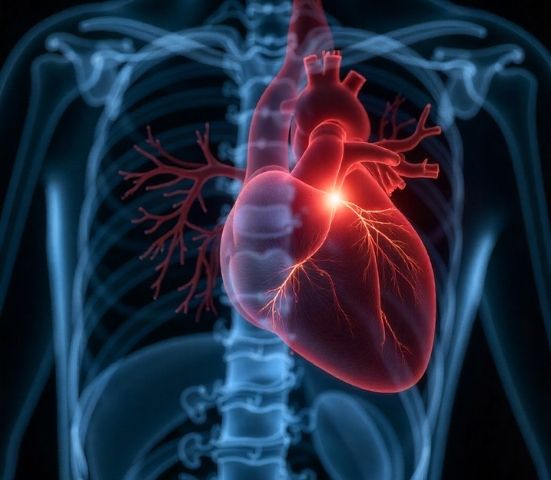
Why Cardiac Imaging & Tests Are Important
Heart disease often develops silently, with no symptoms until advanced stages. Cardiac imaging and non-invasive tests allow doctors to detect problems early and monitor heart health over time.
With cardiac diagnostic tests, patients can:
- Detect blocked or narrowed arteries (coronary artery disease)
- Identify irregular heart rhythms (arrhythmias)
- Assess heart valve function and structure
- Measure the strength of the heart muscle
- Evaluate blood flow and stress response of the heart
- Prevent major complications like heart attack or stroke
Why Choose Dr. Suhaimi for Cardiac Imaging & Tests
Accurate diagnosis is key to saving lives. Our clinic offers state-of-the-art cardiac imaging and testing with international cardiology expertise.
Highly Qualified Expertise
MB BCh BAO (UK), MRCP (Ireland), AM (Malaysia) with advanced training in cardiac imaging and interventional cardiology.
International Fellowships
Recognized by Society of Coronary Angiography & Interventions (USA) and Asia Pacific Society of Interventional Cardiology (HK).
Advanced Non-Invasive Testing
Latest technology in ECG, echocardiography, stress echo, and CTA scans for accurate and reliable results.
Patient-Centered Diagnosis
Each test is explained in detail, with personalized care plans based on results to ensure better outcomes.
Types of Cardiac Imaging & Diagnostic Tests We Provide
Electrocardiogram (ECG / EKG)
A quick, painless test that records the electrical activity of the heart, detecting irregular heartbeats, past heart attacks, or rhythm problems.
Echocardiogram (Echo)
An ultrasound test that uses sound waves to create images of the heart’s chambers, valves, and pumping action, helping diagnose heart failure, valve disease, and congenital heart conditions.
Stress Echocardiogram (Stress Echo)
This test combines exercise (or medication-induced stress) with echocardiography to see how the heart performs under physical strain, identifying hidden coronary artery blockages and exercise-related abnormalities.
Cardiac CT Angiography (CTA Scan)
A highly detailed scan that produces 3D images of the coronary arteries, helping to detect plaque, blockages, and narrowing. It is a non-invasive alternative to traditional angiograms.
Benefits of Cardiac Imaging & Diagnostic Testing
- Early detection of cardiovascular diseases
- Non-invasive and safe procedures
- Accurate risk assessment for heart attack and stroke
- Helps guide treatment decisions and interventional procedures
- Peace of mind through precise diagnosis and monitoring
Our Approach to Cardiac Imaging in Malaysia
We combine international-level expertise, advanced technology, and compassionate care to provide patients with reliable results and clear explanations. Dr. Suhaimi ensures every patient understands their diagnosis and next steps in treatment or prevention.
Klinik Mesra, Mergong, Alor Setar
Your Trusted Medical Clinic for Families, Women, Children & Companies in Kedah
About DoctorDr. Suhaimi – Dedicated to Your Heart Health
Make An Appointment
Consultation Hours
Reach Out Anytime for Assistance.
- Monday to Sunday 8:00 AM – 11:00 PM

 View All Review
Frequently Asked Questions (FAQs)
An ECG measures electrical activity, while an echocardiogram provides ultrasound images of the heart’s structure and function.
If you experience chest pain, shortness of breath, palpitations, or high blood pressure, cardiac imaging is strongly recommended.
Yes. Stress echo tests are safe and supervised by a cardiologist to monitor the heart under controlled conditions.
CTA scans are highly reliable in detecting plaque buildup and narrowing of coronary arteries, often replacing invasive angiograms.
Most tests like ECG or echo take 15–30 minutes, while CTA scans may take up to an hour including preparation.
Yes. Some tests may require fasting or avoiding caffeine, which will be explained before your appointment.
Tests don’t prevent them directly, but early detection allows for timely treatment to prevent serious complications.
Yes. Many preventive cardiology programs include ECG, echocardiography, stress tests, and CTA scans as part of risk assessment.